
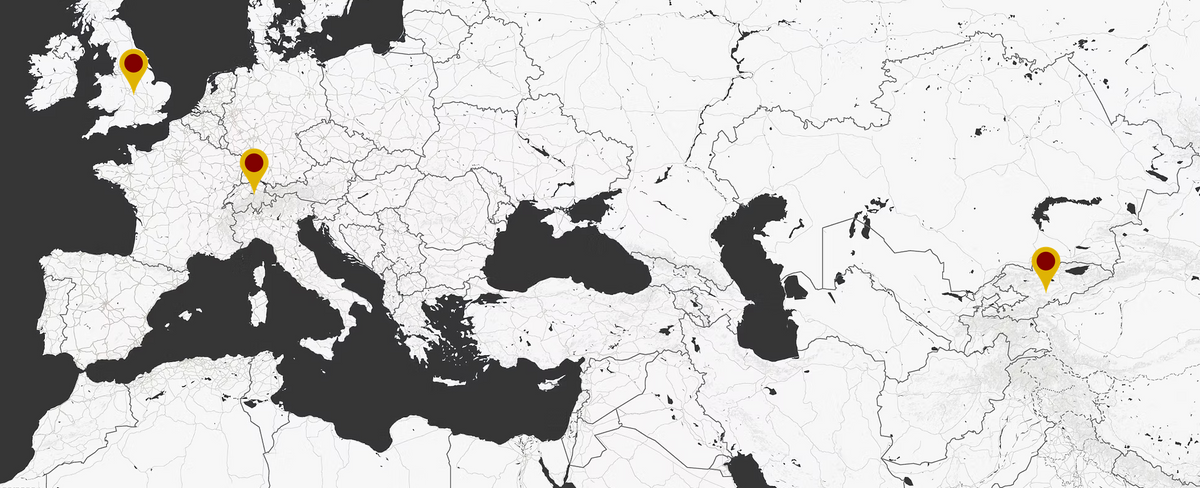
From farm to yarn to you
Production – from raw cashmere to cashmere yarn
The cashmere harvest takes place once a year, as the goats moult in the transition from winter to summer. This is when the animals shed their insulating undercoat. They are never shorn or clipped – only combed. A first selection happens during this process: the fine undercoat is separated from the coarser outer hair, known as guard hair, which shields the goats from dust and sun through the summer. After repeated combing, the fine undercoat becomes the valuable raw cashmere.
Next, the raw cashmere is pre-sorted by colour, condition and length. The selection is above all about quality, and the decisive factors are length, fineness and crimp. The longer, finer and more crimped the individual hairs, the finer the yarn that can later be spun – and with it the finished piece. Fineness matters greatly, because only
raw cashmere hairs measuring up to a maximum of 0.019 millimetres in diameter may be called cashmere.
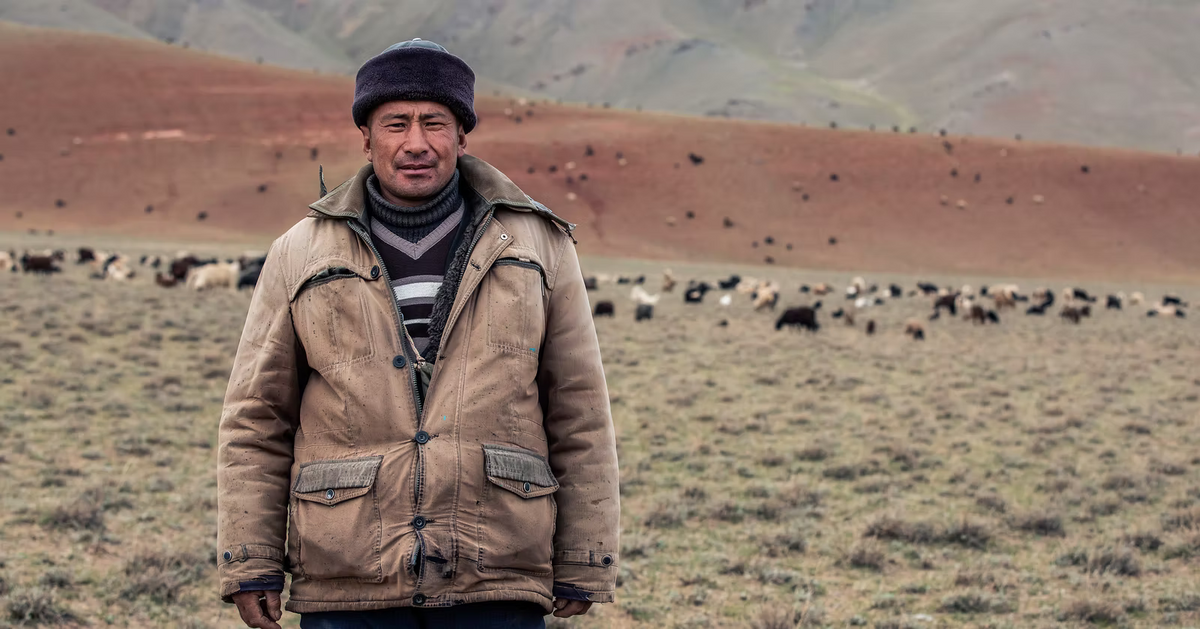
1. Herding – Kyrgyzstan
Although Kyrgyz goats have long produced fibres that compete on the world market, Kyrgyz farmers had almost no access to international buyers offering a fair market value. We are working to change that, so that Kyrgyzstan’s cashmere earns a recognised reputation as one of the finest fibres in the world. We are convinced that Kyrgyz cashmere can be an engine for social and economic change.
The farmers we source our cashmere from live mainly in the At-Bashi and Kochkor districts of Naryn Province, and in the Alay and Chong-Alay districts of Osh Province.
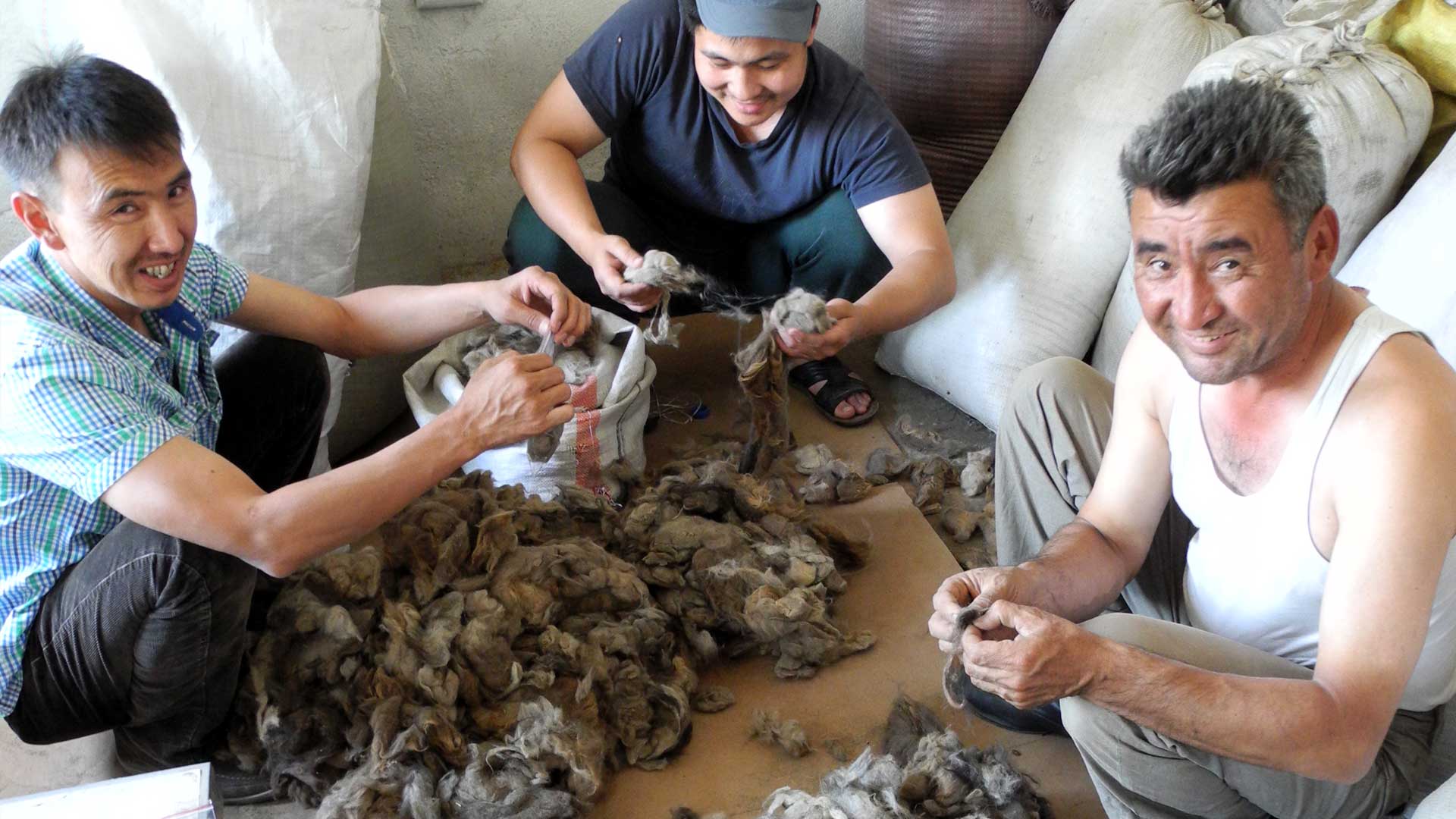
2. BUYING AND PREPARING RAW CASHMERE – KYRGYZSTAN
Since 2021 we have worked closely with the Kyrgyz company Kyrgyz Cashmere LLC to collect raw cashmere from farmers. Their team shows herders how to gather their fibres properly and sort them by quality grade, and they have introduced a tiered payment system through which we pay herders a fair market value and more for their cashmere.
Years of careful investment in these communities have given us access to high-grade raw cashmere. We travel from village to village and house to house, buying the cashmere that herders have gently hand-combed from each goat. These personal transactions ensure that the fibres are of the highest quality and that herders are fairly rewarded for their premium fibre.
The material is then brought to Bishkek, where the fibres are pre-cleaned and sorted according to different quality requirements. This way we make sure that only the best quality goes into production. Raw fibres that do not meet the quality standards for our products are resold to local traders, who pass them on to customers and processors in China.
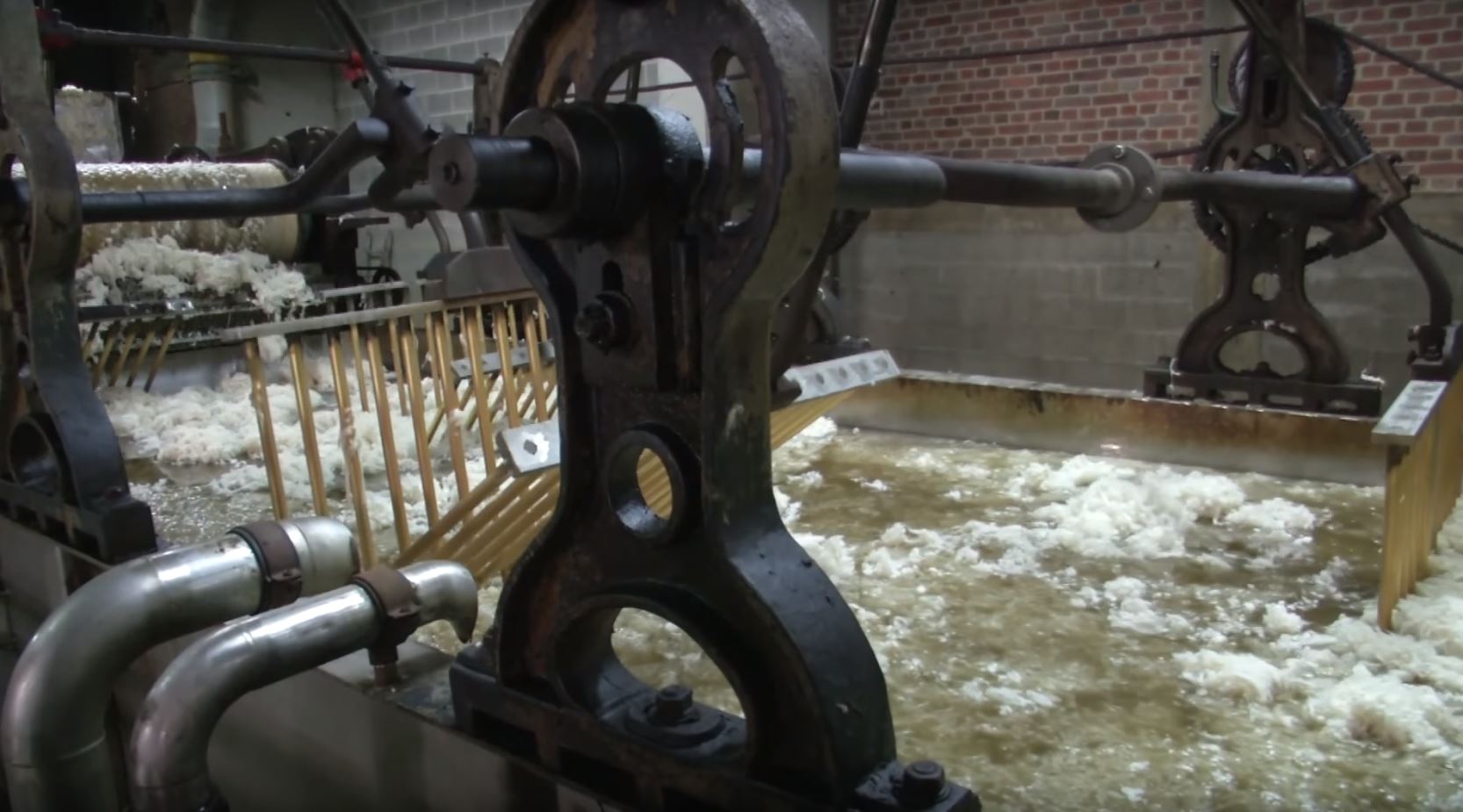
3. Washing / Scouring – Kyrgyzstan
To create as much value as possible within Kyrgyzstan and support local jobs, our raw cashmere is scoured – with detergents from Europe – by Enesay Group LTD on the outskirts of Bishkek. We are proud to carry out this important processing step in Kyrgyzstan, not least because it lets us support another Kyrgyz company and supply it with detergents that meet European standards. In this way we can contribute to the
efforts of this important local textile business to add textile value in Kyrgyzstan, in the face of difficult competition from China.
4. Dehairing – KYRGYZSTAN
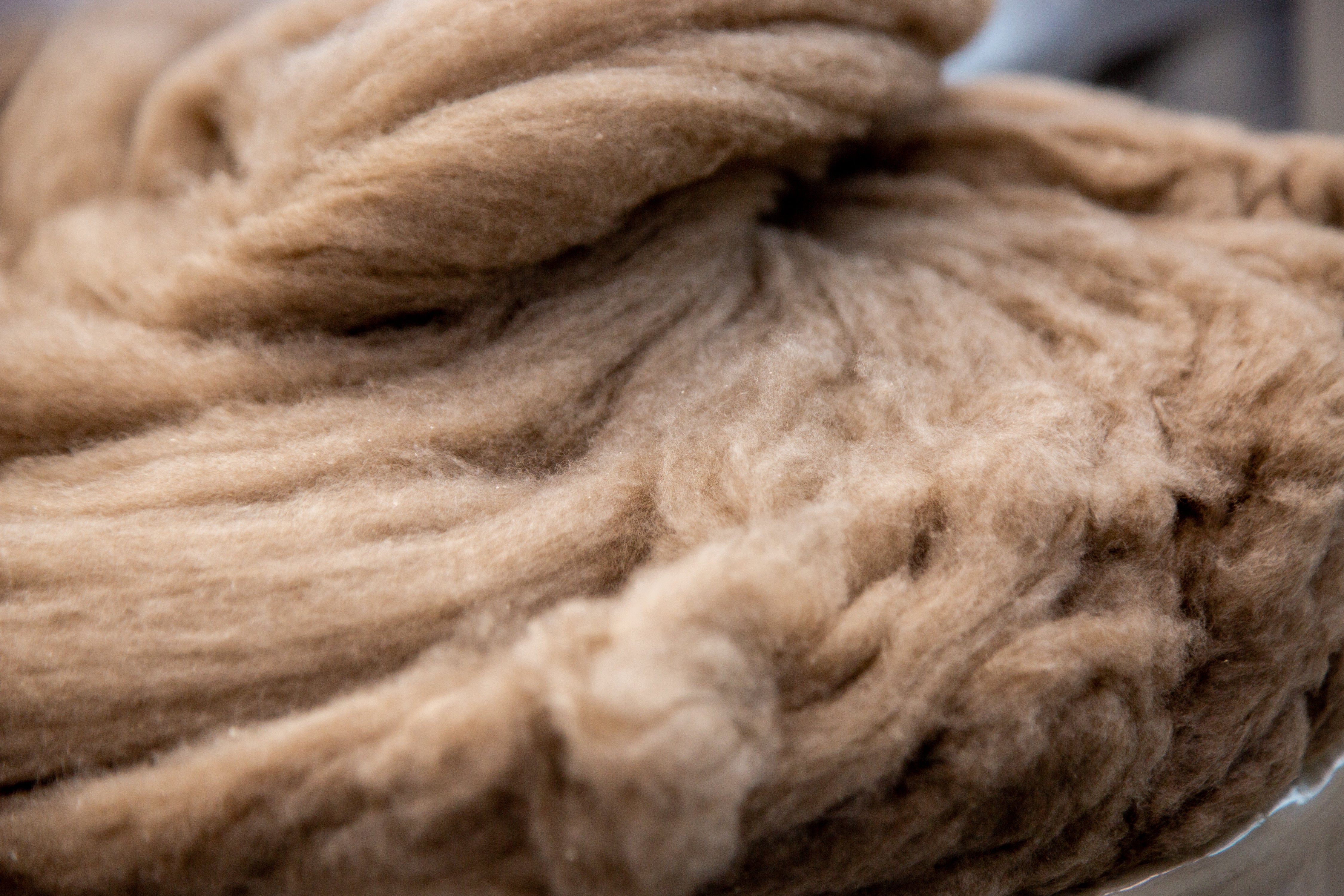
In the Kyrgyz capital Bishkek, within the «Bishkek» free economic zone, Kyrgyz Cashmere LLC has succeeded in building a fully equipped dehairing plant with the support of Cashmere Fibers Int. Ltd. From 2010 onwards, Kyrgyz Cashmere LLC began trialling various forms of local cashmere processing within the country. Those efforts finally bore fruit in 2021 and now allow our cashmere to be fully pre-processed in Kyrgyzstan and shipped directly to Europe for spinning. It may look like a small step, but it is a great leap for the cashmere industry in Kyrgyzstan.
5. Spinning – Great Britain
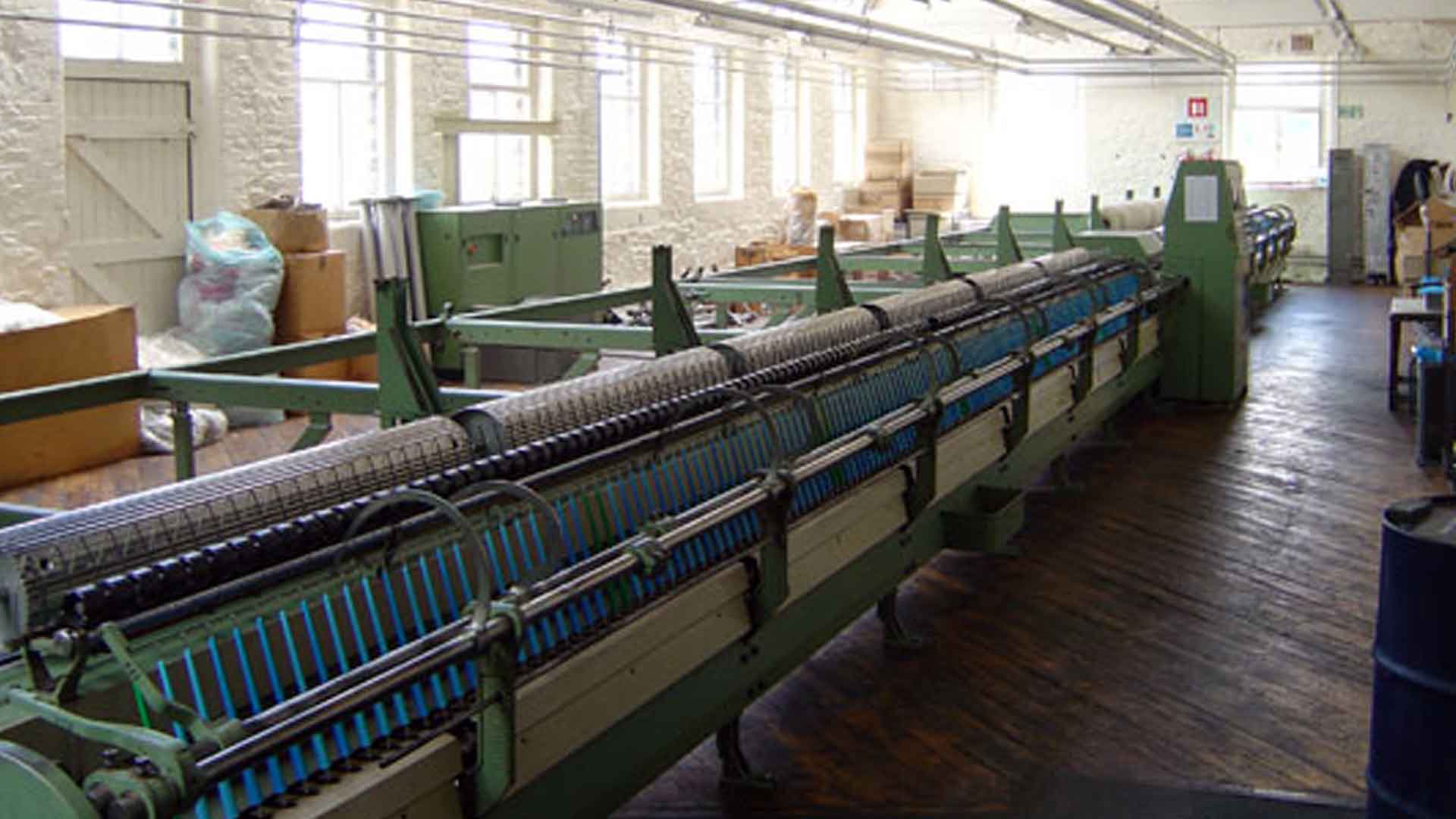
The R. Gledhill spinning mill sits in the quiet village of Delph, north-east of Manchester. Gledhill was founded in 1936 as an independent wool spinner and dyer, through a merger with Pingle Mill, which itself looked back on more than 250 years of history. Over the past 70 years Gledhill has grown steadily – all the more remarkable given the difficult economic climate for the English textile industry. The family business is now in its fourth generation, and we are fortunate to be able to rely on Gledhill’s expertise and modern facilities.
6. Dyeing – Great Britain
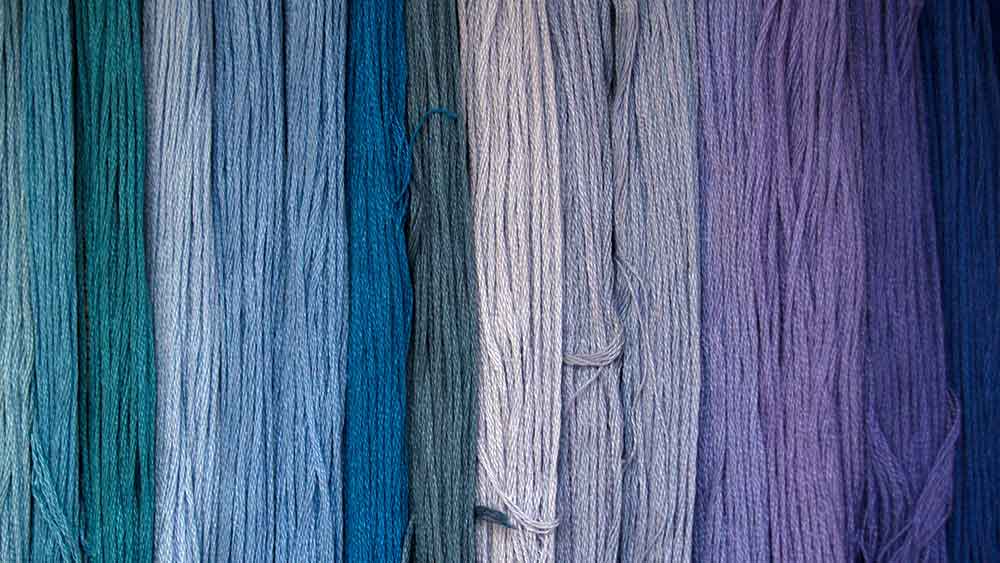
Ettrick Yarn Dyers Ltd. was founded in 2000 to take over the modern dyeing systems of Laidlaw & Fairgrieve, a well-known company in the Scottish Borders. The aim was equally to preserve the know-how of one of the most experienced dyeing teams in the Scottish textile industry. The company continues to build on the experience of these master dyers and has carried out an extensive modernisation programme alongside. The team’s broad knowledge and experience allow it to offer dyeing services for yarns of the very highest quality, all in accordance with the standards of the EU REACH Regulation.